Get Carpenter Ant Extermination
Local contractors offer ant extermination services to eliminate infestations, protect property structures, and prevent future ant problems.
Carpenter ants can cause significant damage to wooden structures if left unchecked, making professional extermination services an important consideration for property owners. Whether you're planning home improvements, repairs, or simply want to protect your investment, addressing an ant infestation promptly can help prevent costly damage and maintain the integrity of your property. Exploring options among local contractors ensures you find experienced service providers who understand the specific needs of your area.
By comparing local contractors specializing in carpenter ant extermination, property owners can find solutions tailored to their unique situations. This approach allows for informed decisions based on the expertise and services available nearby. Continuing to read can provide valuable insights into how local professionals can assist with effective pest management and help safeguard your property from future issues.
- Carpenter Ant Extermination - homeowners noticing wood damage or hollow-sounding wood may need professional ant removal.
- Ant Infestation Removal - when ants invade indoor spaces or form large colonies, local contractors can help eliminate the problem.
- Structural Pest Control - properties with persistent ant activity that threatens structural integrity may require specialized extermination services.
- Indoor Ant Control - residents experiencing ant sightings inside their homes can connect with local pros for targeted treatment.
- Outdoor Ant Treatment - yards or gardens with visible ant mounds or trails may benefit from professional outdoor pest management.
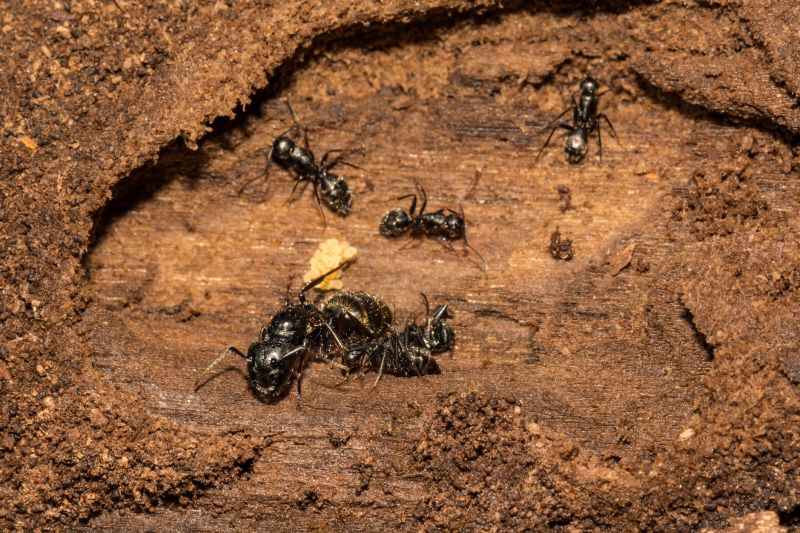
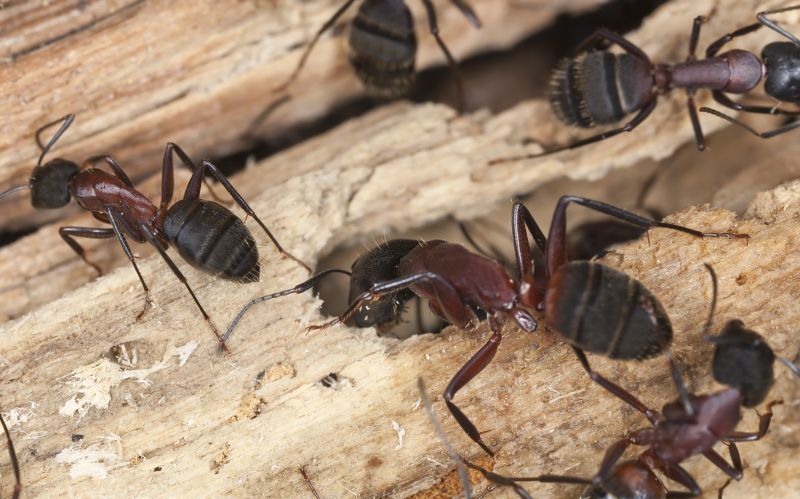
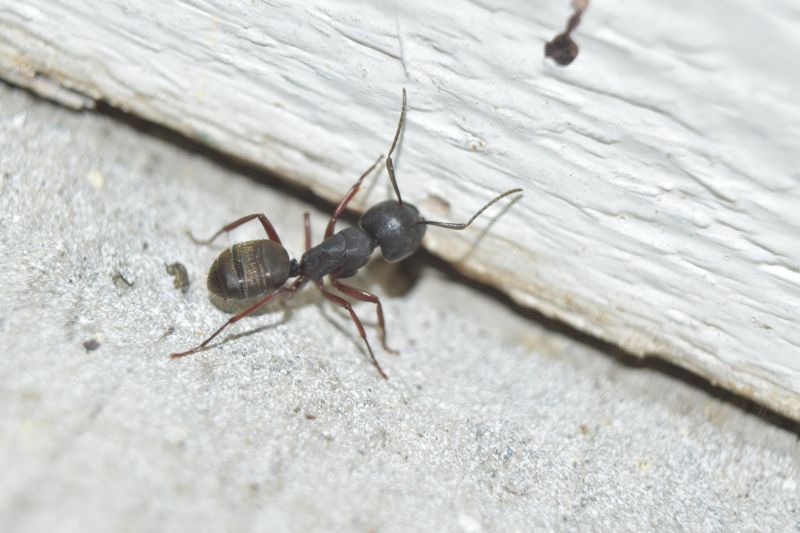
Carpenter ant extermination services focus on identifying and eliminating infestations of these wood-damaging insects. The process typically begins with a thorough inspection to locate the ant colonies and assess the extent of the problem. Once the source is determined, service providers may use targeted treatments such as baits, insecticides, or barrier applications to effectively control and remove the ants. These services are designed to address both visible ant activity and hidden colonies that can cause ongoing issues if left untreated.
This service helps resolve problems related to structural damage and property deterioration caused by carpenter ants. Unlike other ants, carpenter ants do not eat wood but tunnel into it to create nests, which can weaken walls, support beams, and other wooden structures over time. Signs of an infestation include sawdust-like debris, hollow-sounding wood, and the presence of ants near woodwork. Addressing a carpenter ant problem promptly can prevent costly repairs and protect the integrity of a home or building.
Properties that typically use carpenter ant extermination services include residential homes, especially those with wooden structures or older construction. Commercial buildings, such as warehouses, office spaces, and retail establishments, may also require treatment if an infestation is discovered. Additionally, properties with ongoing moisture issues or wood that has been previously damaged are more vulnerable to carpenter ant problems. Regular inspections and prompt treatment can help property owners maintain a safe, damage-free environment.
Homeowners who notice signs of carpenter ants or suspect an infestation should consider professional extermination services. These pests are often active during warmer months but can establish colonies year-round if conditions are favorable. When left untreated, carpenter ants can cause significant structural damage and create ongoing nuisance problems. Contacting local service providers can help identify the extent of an infestation and determine the most effective treatment options to protect the property.
The overview below groups typical Carpenter Ant Extermination projects into broad ranges so you can see how smaller, mid-sized, and larger jobs often compare in your area.
In many markets, a large share of routine jobs stays in the lower and middle ranges, while only a smaller percentage of projects moves into the highest bands when the work is more complex or site conditions are harder than average.
Smaller Repairs - Typical costs for minor carpenter ant treatments range from $250 to $600. Many routine inspections and localized treatments fall within this middle range, depending on the extent of the infestation.
Moderate Infestations - Larger, more involved treatments usually cost between $600 and $1,200. Projects in this range often involve multiple areas or more extensive nesting sites, which are less common but still frequent.
Severe or Complex Cases - Extensive infestations or structural treatments can reach $1,200 to $2,500 or more. These higher costs are less common but necessary for severe or hard-to-access nests.
Full Property Treatments - Complete extermination for entire properties might cost $2,500 to $5,000+, especially for large or heavily infested homes. Such projects are typically the most extensive and least frequent but are handled by local service providers as needed.
Actual totals will depend on details like access to the work area, the scope of the project, and the materials selected, so use these as general starting points rather than exact figures.
Termite Inspection and Treatment - professionals who identify and eliminate wood-destroying pests often use similar inspection techniques and treatment methods as those for carpenter ants.
Wood Damage Repair - contractors skilled in repairing and replacing damaged wood structures have experience with wood-infesting insects like carpenter ants.
Moisture Control and Drainage Services - managing moisture levels helps prevent ant infestations, making these services related to pest prevention and control.
Structural Inspection Services - inspecting building frameworks for damage or vulnerabilities aligns with identifying ant activity and potential entry points.
Exclusion and Barrier Installation - installing barriers to block pest entry shares planning and application skills with ant exclusion efforts.
Pest Prevention Consulting - experts advising on pest-proofing strategies often address issues caused by carpenter ants and similar pests.
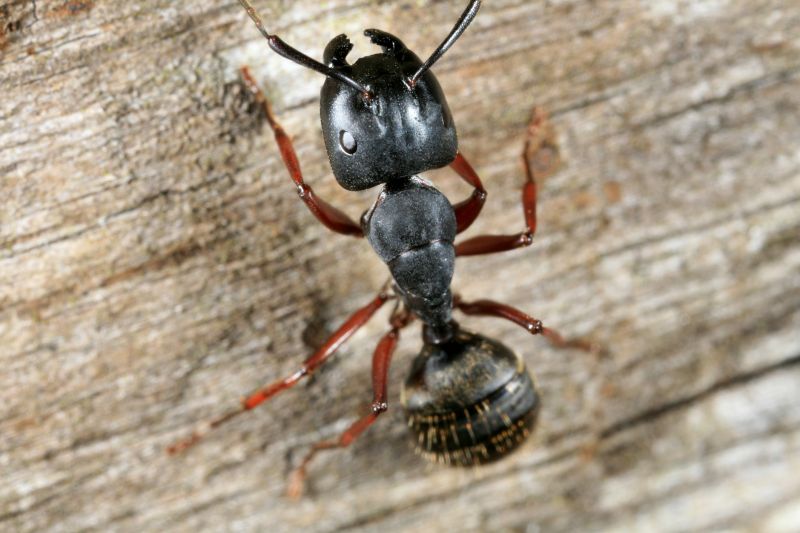
When comparing local contractors for carpenter ant extermination, it’s important to consider their experience with similar projects. Homeowners should inquire about how long a service provider has been handling ant infestations and whether they have a track record of successfully managing cases comparable to their own. A contractor with relevant experience is more likely to understand the specific behaviors of carpenter ants and the most effective treatment methods, leading to a more efficient and thorough solution.
Clear, written expectations are essential to ensure that both parties are aligned on the scope of work. Homeowners should seek detailed descriptions of the services offered, including the methods used, areas treated, and any follow-up procedures. Having these details in writing helps prevent misunderstandings and provides a reference point for evaluating the quality of service. It also allows homeowners to compare what different local service providers are offering and choose the option that best meets their needs.
Reputable references and good communication are key factors when selecting a contractor. Homeowners can ask for references from previous clients to gain insight into the contractor’s reliability, professionalism, and results. Additionally, responsiveness and clarity in communication during the initial contact can indicate how effectively a service provider will handle questions or concerns throughout the project. It’s important to remember that this site introduces homeowners to local options-these service providers are responsible for performing the work, not the platform itself. Comparing these factors can help homeowners find a qualified and trustworthy local contractor for carpenter ant extermination.
Property owners use Carpenter Ant Extermination services for practical projects around their homes and businesses. This guide focuses on everyday jobs and straightforward project options.
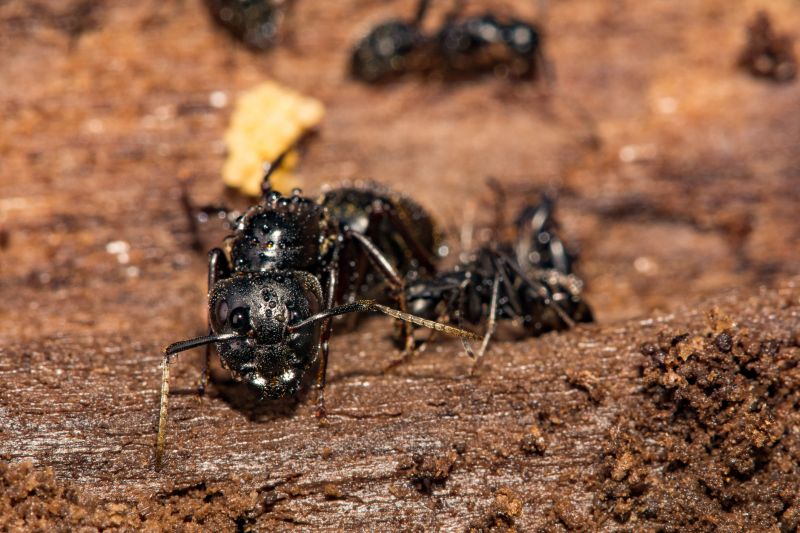
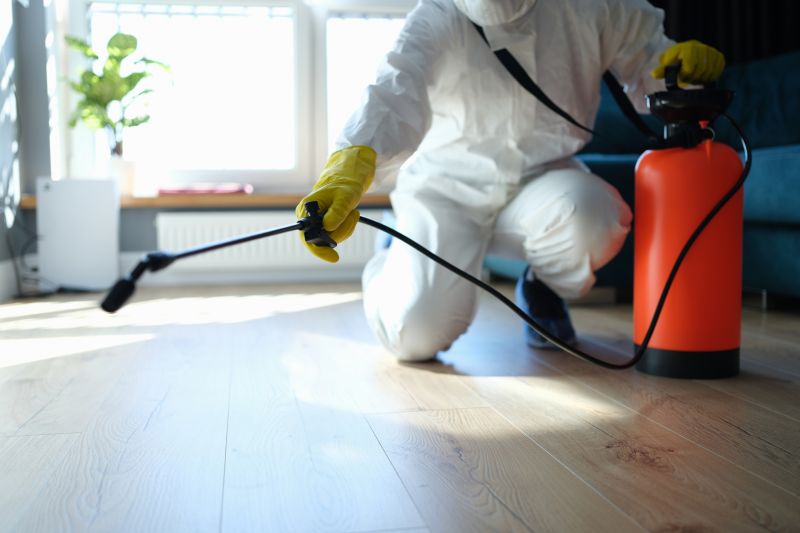
Carpenter ants can become a common concern for property owners dealing with wood damage or unexplained holes in their walls, ceilings, or foundation areas. These pests are often attracted to moisture and decaying wood, making homes or buildings with leaks or damp conditions vulnerable. When signs of ant activity appear, such as trails or discarded wings, many local property owners seek the expertise of nearby contractors who specialize in extermination to address the problem swiftly and prevent further damage.
In residential and commercial settings alike, the presence of carpenter ants can be a nuisance and a potential threat to structural integrity. Property owners might look for local service providers to conduct thorough inspections and implement effective extermination strategies. These professionals can help identify the source of the infestation, eliminate the ants, and provide advice on how to reduce the chances of future invasions, ensuring the safety and preservation of the property.
What are signs of a carpenter ant infestation? Common signs include sawdust-like debris around wooden structures, hollow-sounding wood, and the presence of winged ants indoors or near windows.
How do local contractors typically handle carpenter ant extermination? They often perform thorough inspections to identify nesting sites and apply targeted treatments to eliminate colonies and prevent future infestations.
Are there effective methods to prevent carpenter ants from returning? Yes, local service providers may recommend removing wood debris, sealing entry points, and addressing moisture issues to reduce the risk of re-infestation.
What types of treatment options do local pros use for carpenter ant control? They may utilize baiting systems, liquid insecticides, or dust treatments, depending on the severity and location of the infestation.
Can homeowners handle carpenter ant extermination on their own? While some minor signs can be managed with DIY methods, professional services are often recommended for thorough eradication and to ensure the problem is fully resolved.
Identify Ant Infestation Signs - Property owners can recognize early indicators of carpenter ant activity, such as wood damage or ant sightings, to determine when professional help might be needed.
Prevent Future Infestations - Homeowners can implement recommendations from local contractors to reduce moisture and eliminate wood debris around their property.
Schedule Inspection and Treatment - Property owners can plan for a professional assessment to confirm ant presence and discuss extermination options.
Protect Structural Integrity - Homeowners can seek expert services to address existing ant problems and safeguard their property from potential damage.
If you are thinking about Carpenter Ant Extermination for a property, this guide is meant to help you understand the work, the typical project types, and how different options might fit your plans.
When you are ready, you can use the quote form on this page to share a few details about your project. From there, local pros can review the basics and respond with options that match what you have in mind.